We help businesses see what's actually coming
Budget forecasting isn't really about spreadsheets and formulas. It's about knowing whether you'll have enough cash next quarter when that equipment needs replacing. Or figuring out if you can afford to hire someone new in six months.
We started kyperaxis because we kept meeting business owners who felt completely blind about their financial future. They'd work with accountants who'd show up once a year with last year's numbers. Helpful for taxes, sure. But not much use when you're trying to decide if you can take on a new contract today.
That gap between historical reports and forward-looking clarity? That's what we're here to fill.

How we got here
Our path wasn't exactly a straight line. But each turn taught us something important about what businesses actually need.
Started with a simple question
Why do small businesses always seem surprised by their cash flow problems? We began consulting with a handful of local businesses, just trying to understand their actual forecasting challenges. Turns out most weren't forecasting at all.
Built our first proper framework
After working with about twenty businesses, we noticed patterns. Same mistakes, same blind spots, same panicked calls at month-end. We developed a structured approach that focused on the scenarios business owners actually worry about at three in the morning.
Opened our Tuggeranong office
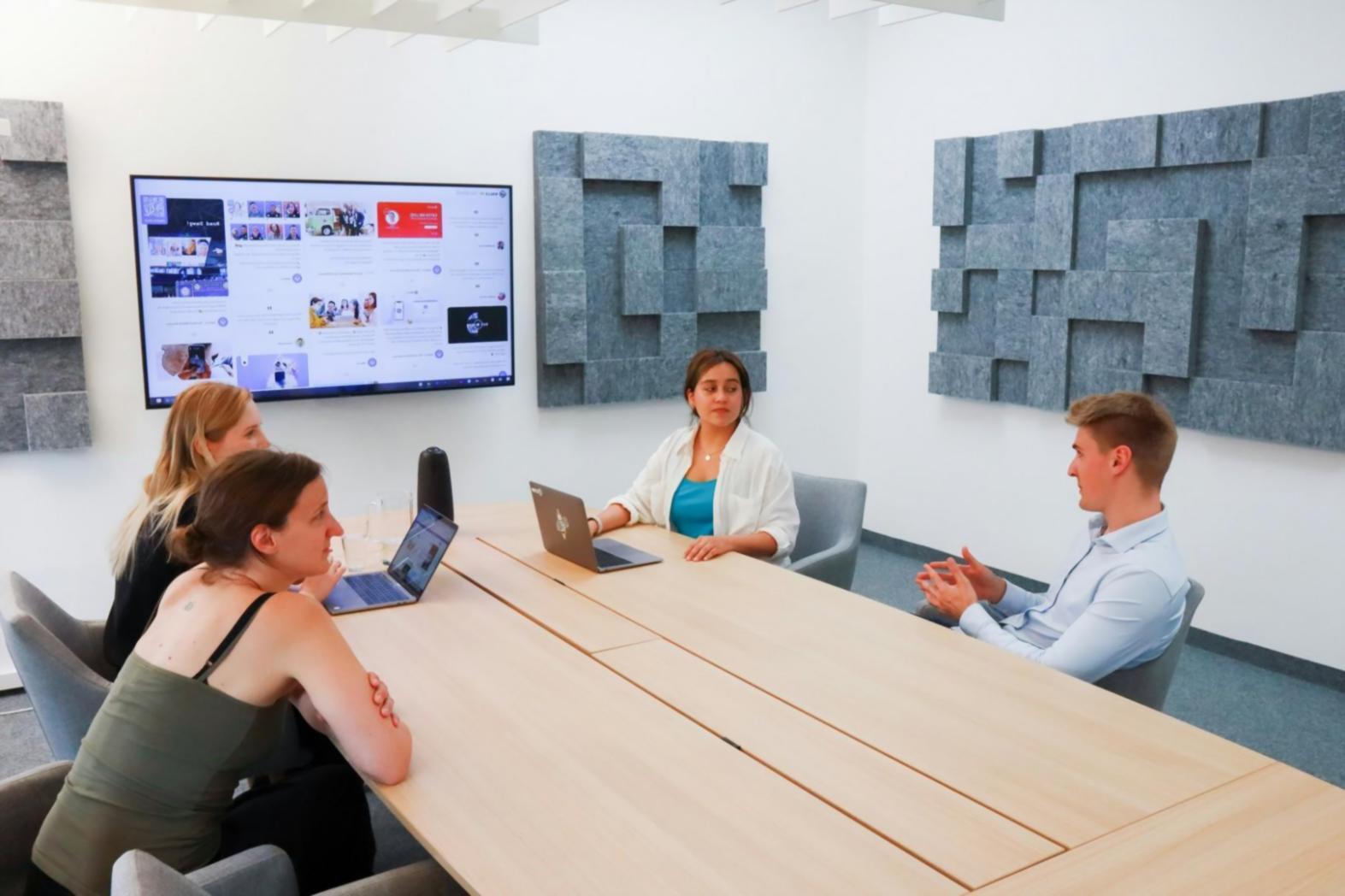
We needed space for proper workshops and client meetings. The Hyperdome location works well because parking's easy and we're close to a bunch of our clients. Plus there's decent coffee nearby, which matters more than you'd think.
Expanded our teaching programs
Enough businesses asked if we could train their finance teams that we developed structured learning programs. First cohort starts in September 2025. We're keeping groups small because this stuff needs hands-on guidance.
What we've learned about forecasting
After five years of working with businesses across different industries, we've developed some pretty strong opinions about what works and what doesn't. These aren't theories from textbooks. They're lessons from real businesses trying to navigate unpredictable markets.

Rolling forecasts beat annual budgets
Fixed annual budgets become obsolete the moment something changes. We teach continuous forecasting that adjusts as your business reality shifts. Because it will shift.
Scenario planning is non-negotiable
One forecast is just a guess. Three scenarios give you options. We build best case, likely case, and worst case projections so you can actually prepare instead of just hoping.
Cash flow matters more than profit
Profitable businesses go under when they run out of cash. We focus heavily on cash flow forecasting because that's what keeps the lights on when customers pay late.
Simple beats complicated
Fancy models that nobody understands don't get used. We build forecasting systems that your team will actually maintain after we're gone. If it's too complex, it's useless.
Regular reviews prevent surprises
Forecasts need weekly attention, not quarterly panic sessions. We set up review rhythms that catch problems while they're still small and manageable.
Context beats pure numbers
Numbers without context are just noise. We connect financial projections to actual business decisions so forecasts become useful tools instead of mysterious spreadsheets.
Who's behind all this
We're a small team. That's intentional. Forecasting work requires deep understanding of each client's business, and that doesn't scale to massive teams.
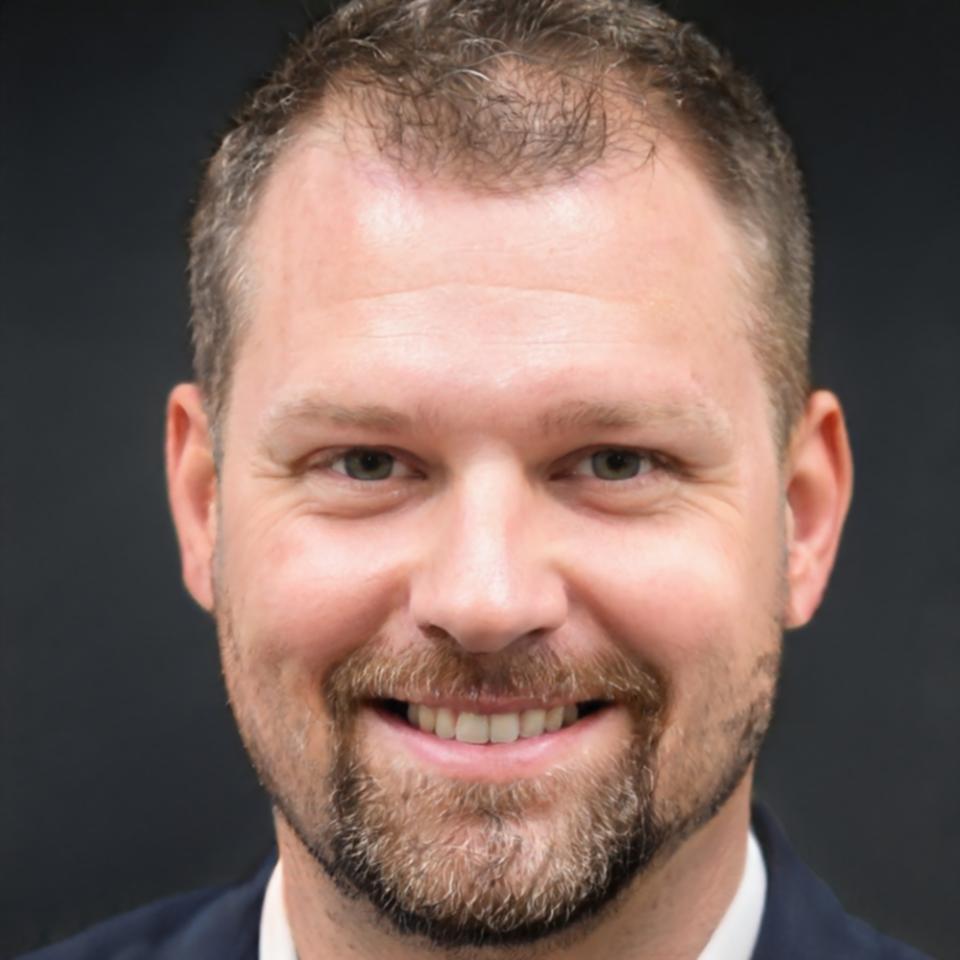
Stellan Viklund
Principal Financial Consultant
I spent twelve years in corporate finance before realizing that big company forecasting methods completely fail small businesses. The tools are too complex, the time requirements are unrealistic, and the outputs don't actually help with day-to-day decisions.
So I left and started consulting with smaller businesses, trying to figure out what would actually work for them. Turns out they need something completely different. Less sophisticated in some ways, but more focused on the specific decisions they face every month.
These days I work directly with about fifteen clients at a time. That's my limit for providing the attention each business deserves. I also lead our workshops and training programs, which start their next session in September 2025 if you're interested in learning this stuff yourself.
How we actually work with clients
Every business is different, but our process follows a pretty consistent path. We've refined this over dozens of engagements to focus on what actually produces useful forecasting capability.
Understanding your business model
We spend time learning how money actually flows through your business. Not the accounting version, but the real operational reality. What drives revenue? When do costs hit? Where are the timing mismatches?
Building the baseline forecast
Starting with your current reality, we project forward based on your existing contracts, known expenses, and historical patterns. This gives us something concrete to work from instead of guesses.
Developing alternative scenarios
What if that big contract falls through? What if you land three new clients next month? What if interest rates jump again? We model the scenarios that keep you up at night so you have plans instead of panic.
Setting up monitoring systems
Forecasts need regular updating or they become fiction. We establish simple tracking routines that take maybe an hour per week but keep your projections grounded in current reality.
Teaching your team to maintain it
The goal is independence. We train your finance person or office manager to keep the forecasting system running after our engagement ends. You shouldn't need us forever.